
"Is it safe?" is the question everyone asks and almost nobody answers properly, because the honest answer has conditions attached and conditions do not fit on a banner. So here is the long version, which is the only version worth having.
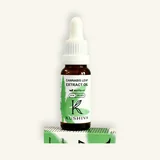
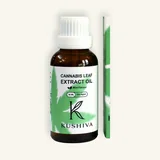
Kushiva makes AYUSH-licensed cannabis leaf extract in four formats, from Rs 1,199, with a certificate of analysis behind every batch.See the range
This guide covers what cannabis leaf extract safety actually depends on in India: the licence behind the product, the lab report behind the batch, driving, alcohol, dependency, and who should be steering clear entirely.
This article is general information, not medical advice. Vijaya (cannabis leaf extract) is prescription-regulated in India and should be used only under the supervision of a registered medical practitioner. Nothing here sets a dose: how much is right for you depends on your prescription, the strength of the product, your health condition, how your body responds, and any other medicines you take. That is a conversation with your doctor, not a website.
Key takeaways
- Safety in this category starts with paperwork, not pharmacology: an AYUSH licence, a certificate of analysis, and a prescription route.
- Driving is the risk people underestimate most. Research finds an impairment window of roughly three to ten hours, and people feel fine long before they are.
- Dependency risk is real in some users. This is one reason access is doctor-gated rather than self-directed.
- An unlicensed product with no lab report is not "probably fine". It is unknown, which is a different and worse thing.
Quick answer
Cannabis leaf extract is considered manageable in a supervised setting: a licensed product, a lab-tested batch, and a doctor who knows your medical history and your other medicines. It is not considered safe when self-prescribed, mixed with alcohol, taken before driving, or bought from a seller who cannot produce a licence and a certificate of analysis. In India, Vijaya is prescription-regulated for exactly this reason.
Safety starts with the licence, not the leaf
India's NDPS Act treats the cannabis plant in parts rather than as one thing, and excludes the leaf from what it bans. That is the legal foundation Vijaya sits on, prepared as a licensed Ayurvedic formulation under the framework overseen by the Ministry of Ayush. The full picture is in our India cannabis law FAQ.
Why this belongs in a safety article and not just a legal one: a licence is the only thing standing between you and a product nobody inspected. An unlicensed import is not safer because it looks premium. It is simply unmeasured.
The lab report is the safety document
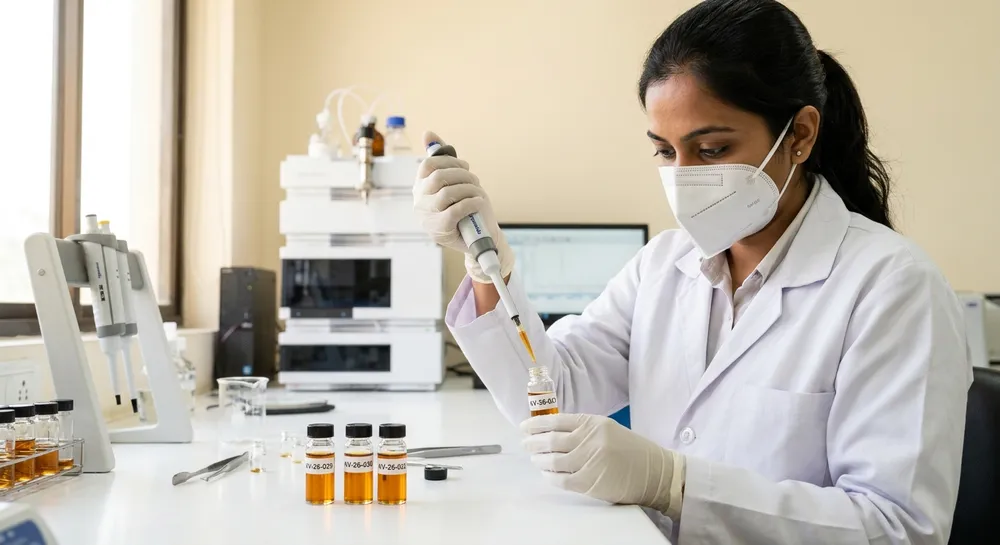
A certificate of analysis is the closest thing this category has to a safety data sheet. It states the cannabinoid content and confirms the batch is clear of contaminants. Without it, the number printed on the box is a claim, not a fact, and there is a well-documented gap between the two across this market globally.
Ours are published on the lab results page. If a seller cannot show you one for the batch you are buying, that is your answer.
Driving: the risk everyone gets wrong
This is the section to read even if you skip the rest. Researchers at the University of Sydney's Lambert Initiative pooled around 80 studies and found a window of impairment of roughly three to ten hours after moderate to high doses of THC, with the longer end associated with oral consumption.
The uncomfortable finding was not the number. It was the mismatch: participants typically reported feeling impaired for only two to three hours, and many said they would be willing to drive well before objective measures agreed. Feeling fine is not evidence. Do not drive, and do not operate anything with a blade or a motor, on the strength of a vibe.
Alcohol, and other bad ideas
Do not combine with alcohol. Both affect coordination and judgement and the combination is not additive in a way that flatters anyone. Similarly, do not take more because you cannot feel anything yet, particularly with edibles: the delay is the mechanism, not a malfunction. That trap gets its own section in the cannabis gummies buyer guide.
Dependency, honestly
Research identifies a risk of dependency in some users. We are not going to soften that, because a wellness brand insisting its category is impossible to misuse is a brand you should distrust on everything else too. This is one of the reasons access is prescription-based and use is meant to stay inside medical guidance rather than becoming a habit you manage yourself.
Who should not be using this
The consistent flags across research and labelling: pregnancy and breastfeeding, liver conditions, a personal or family history of psychiatric conditions, cardiac conditions, anyone under 18, and anyone on medicines that share liver enzyme pathways with cannabinoids. That last group is broader than people expect, which we go through in cannabis oil side effects.
Storage is a safety issue, not a housekeeping one
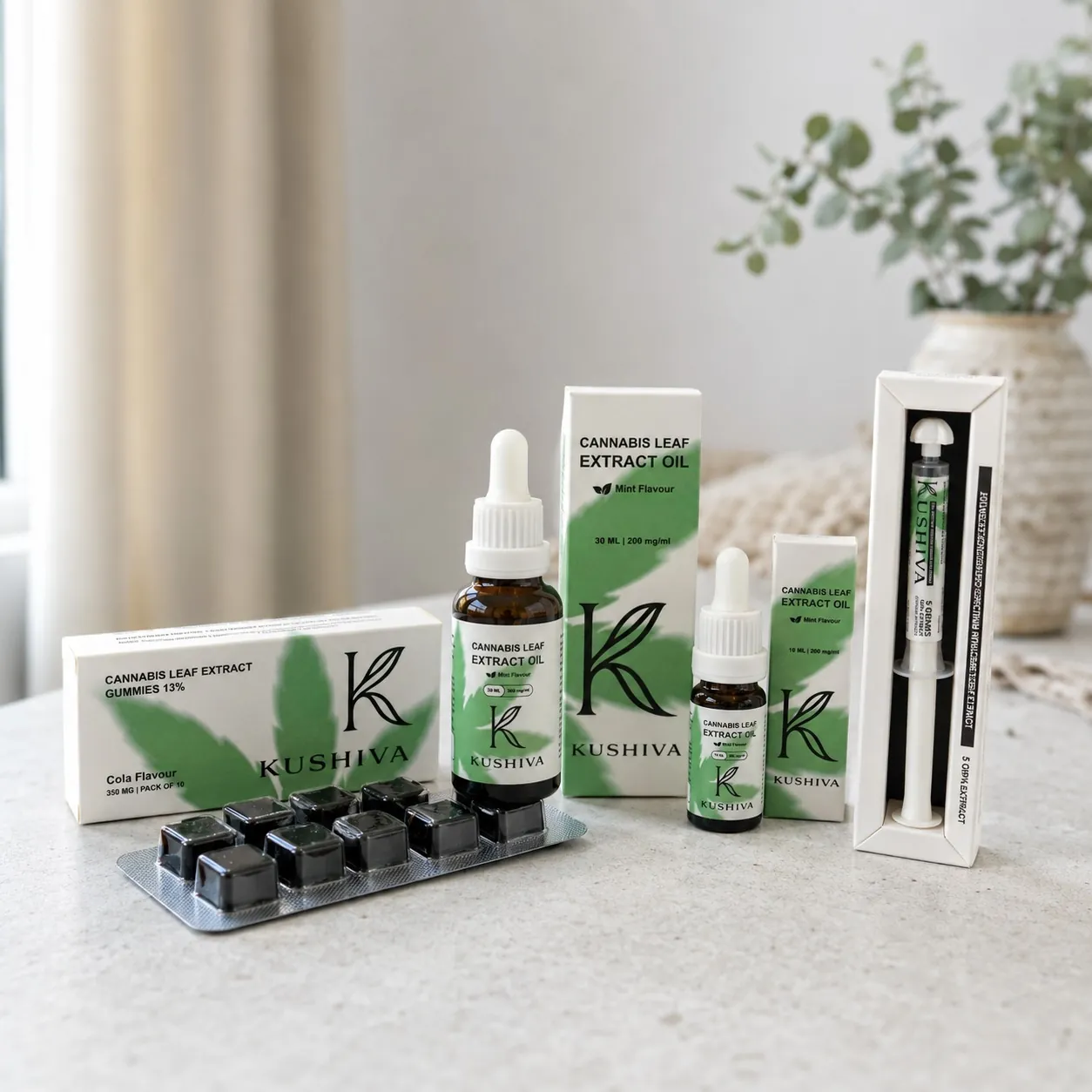
Two reasons. First, a product stored badly degrades, so what you take stops matching what the label says. Second, and more seriously, these are products that must stay out of reach of children, and a cola-flavoured gummy is not self-evidently medicine to a seven-year-old. The practical detail is in how to store cannabis oil in India.
Why the doctor review exists
It would be commercially simpler to let you add to cart and disappear. The review exists because most of the risks above are personal rather than general: they depend on your history, your prescriptions, and your circumstances. A doctor can weigh those. A checkout page cannot. Here is how the process works, and it costs nothing extra.
Frequently asked questions
Is cannabis leaf extract safe to use in India?
It is regulated rather than banned, and considered manageable under medical supervision: a licensed product, a lab-tested batch, and a doctor who knows your history. Self-prescribing from an unlicensed seller is a different proposition entirely.
How long after taking cannabis extract should I avoid driving?
Pooled research points to an impairment window of roughly three to ten hours, with the longer end linked to oral consumption, and people consistently feel ready to drive before they are. Follow your doctor's guidance and err generously.
Can cannabis leaf extract be addictive?
Research identifies a dependency risk in some users. It is one of the reasons access runs through a prescription rather than being self-directed.
What makes one cannabis product safer than another?
Three things you can actually check: a licence, a certificate of analysis for the batch you are buying, and a clearly stated strength. Everything else is marketing.
Do I need a prescription to buy cannabis extract in India?
Vijaya is prescription-regulated. At Kushiva you can upload one you already hold, or have our in-house doctor review your order after payment and before dispatch.
The bottom line
Safety in this category is not a property of the plant. It is a property of the supply chain and the supervision around it. A licence, a lab report, a doctor who knows your history, and a sensible attitude to driving and alcohol will cover most of the real risk. You can see our full range and prices, or start with the cannabis gummies collection.
From Kushiva
Lab-tested, licensed, doctor-reviewed.
Four cannabis leaf extract products, every price listed, every batch backed by a certificate of analysis. An in-house doctor reviews each order before it is dispatched, at no extra cost.
Related from the Kushiva Journal
This article is general information, not medical advice. Vijaya (cannabis leaf extract) is prescription-regulated in India and should be used only under the supervision of a registered medical practitioner. Nothing here sets a dose: how much is right for you depends on your prescription, the strength of the product, your health condition, how your body responds, and any other medicines you take. That is a conversation with your doctor, not a website.