In 2017, researchers bought 84 "CBD" products online and sent them to a lab. Nearly seven in ten didn't contain what the label claimed. One in five contained THC the label never mentioned. That study is the single best argument for learning to read a lab report before you buy — so here's how, in five minutes.
Why this matters in India specifically
India's cannabis-wellness market is young, growing fast, and patchily policed. The JAMA findings came from the US market, but the lesson travels: where labels aren't verified, labels drift. The document that keeps everyone honest is the Certificate of Analysis — the COA — a batch-specific lab report stating what is actually in the product. We explained why we publish ours in Why lab-tested matters; this article shows you how to read anyone's.
The five things to check on any COA
1. The batch number — and that it matches your pack
A COA describes one production batch, not a brand. If the batch number on the report doesn't match the one printed on your pack, you are reading someone else's test. No batch number at all? Walk away.
2. The cannabinoid profile
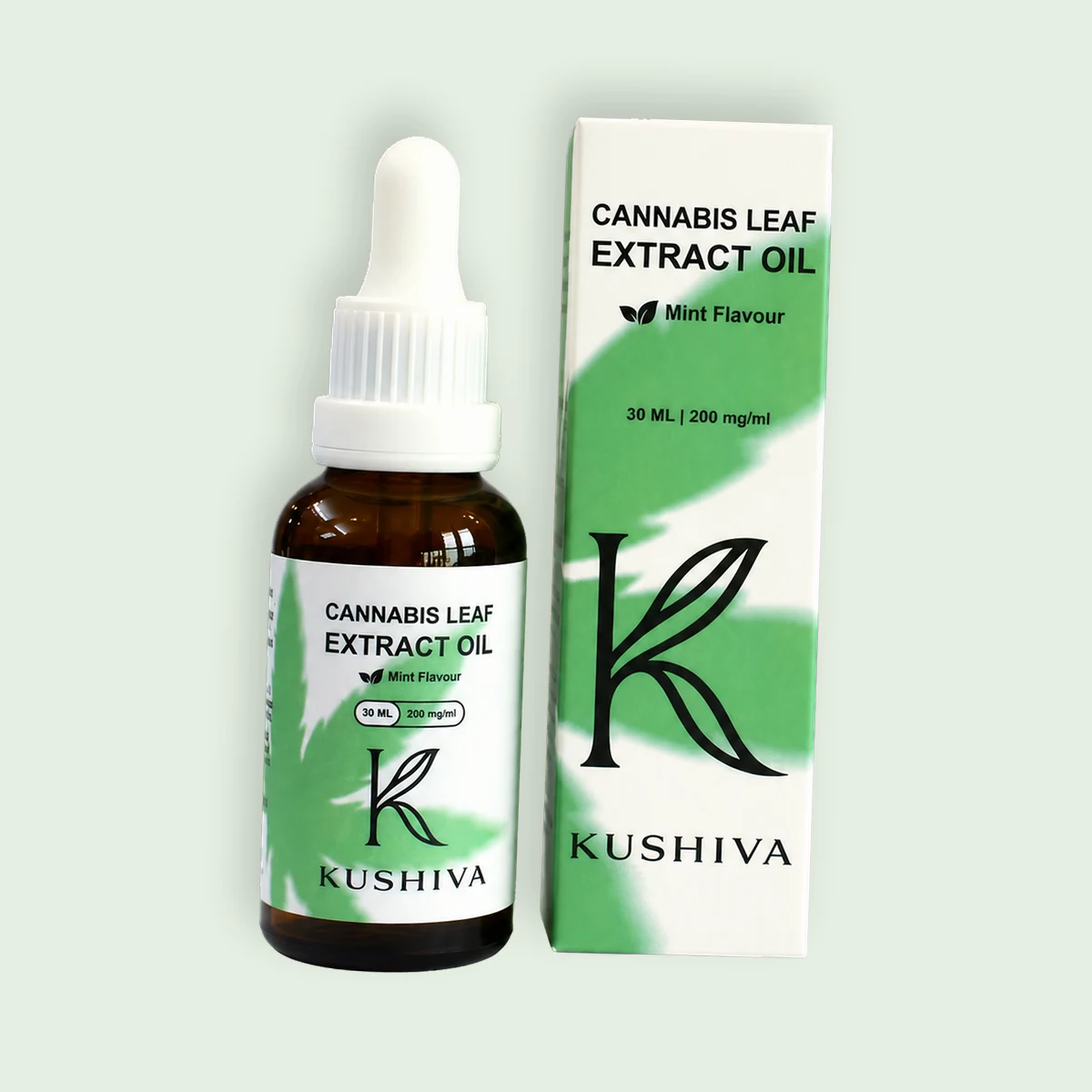
This table lists the compounds measured — typically total cannabinoids, CBD, THC and others — in mg/ml or percent. Check it against the label's declared strength (a Kushiva oil, for instance, declares 200 mg/ml). Small variances are normal chemistry; large ones are the JAMA chart above.
3. Contaminant panels
The parts nobody reads are the parts that matter most: pesticides, heavy metals, microbial contamination, and residual solvents from extraction. Each should show a result and a pass threshold. A COA with only a potency number and no contaminant testing is half a document.
4. The lab's name
An independent laboratory, named, with a report date. A screenshot of numbers with no letterhead is not a COA.
5. Whether you had to fight for it
This is the tell. A manufacturer proud of its testing hands the report over readily — ours is available on request, and that page explains exactly what we test. A seller who dodges the question is answering it.
The bigger picture
The WHO's 2018 review found CBD "generally well tolerated with a good safety profile" — as a molecule. A molecule doesn't drift; products do. Between the compound and your shelf sit farming, extraction, formulation and packaging, and the COA is the only independent witness to that journey. It is also why "is this brand legit?" has a checkable answer: licence, batch number, named lab, shared report. We put that checklist in more depth in cannabis oil vs CBD oil vs hemp seed oil — useful before any purchase, from us or anyone else.
Buy like a skeptic. The good brands will like you better for it.
Sources
- Bonn-Miller et al. (2017), "Labeling Accuracy of Cannabidiol Extracts Sold Online," JAMA 318(17)
- Penn Medicine summary of the JAMA study
- WHO Expert Committee on Drug Dependence (2018) — Cannabidiol Critical Review
Educational content, not medical advice. For responsible adults (18+); products supplied after medical review.